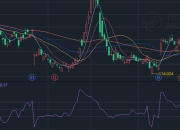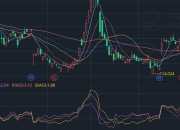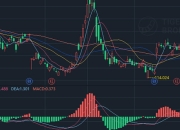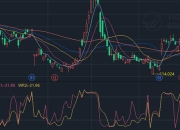
In the world of stock trading, price charts are filled with various candlestick patterns that signal potential market shifts. Among these, the long shadow (also referred to as a "long wick" or "long tail" in English) is a key technical indicator that often attracts trader attention. A long shadow—whether on the upper (real body) or lower end of a candlestick—can reveal critical information about market sentiment, price momentum, and potential trend reversals or continuations. Understanding its implications is essential for making informed trading decisions.
What Is a Long Shadow in Stocks?
In candlestick charting, a single candlestick represents four key price points: open, high, low, and close. The "real body" is the thick part of the candle, showing the difference between the open and close prices. The "shadow" (or "wick") is the thin line extending from the top and bottom of the real body, indicating the highest and lowest prices reached during the trading session.
A long shadow is defined as a shadow that is at least twice the length of the real body. For example:
- An upper long shadow (or "long upper shadow") extends significantly above the real body, signaling that buyers pushed prices higher during the session but sellers eventually drove them back down.
- A lower long shadow (or "long lower shadow") extends far below the real body, indicating that sellers pressured prices lower, but buyers stepped in to push them back up by the close.
What Do Long Shadows Signal?
Long shadows are often interpreted as signs of market indecision or a battle between buyers and sellers. Their meaning depends on their placement (upper vs. lower), the preceding trend, and other technical context. Here’s a breakdown of their typical implications:
Upper Long Shadow: Bearish Reversal Signal
An upper long shadow appearing after an uptrend is often seen as a bearish reversal pattern. It suggests that buyers initially dominated, pushing prices to new highs, but sellers gained control by the end of the session, forcing prices back down near the open. This "rejection" of higher prices can indicate that upside momentum is fading.
For example, if a stock has been rising steadily and then forms a candle with a long upper shadow (and a small real body, such as a doji or spinning top), traders may interpret this as a warning to take profits or prepare for a potential downtrend.
Lower Long Shadow: Bullish Reversal Signal
Conversely, a lower long shadow after a downtrend is typically viewed as a bullish reversal signal. It indicates that sellers drove prices to new lows during the session, but buyers aggressively stepped in, pushing prices back up to close near the high. This "rejection" of lower prices can signal that downside momentum is weakening and a trend reversal to the upside may be imminent.
For instance, if a stock has been falling and then forms a candle with a long lower shadow (e.g., a hammer or dragonfly doji), traders may see this as a sign of underlying buying interest and consider entering long positions.
Long Shadows in Sideways Trends: Continuation or Breakout Hints
In a sideways (range-bound) market, long shadows can indicate indecision but may also foreshadow a breakout. For example:
- A series of candles with alternating upper and lower long shadows suggests that neither buyers nor sellers have a clear edge, keeping the stock trapped in a range.
- A sudden long shadow breaking above a resistance level (upper shadow) or below a support level (lower shadow) may signal a potential breakout, as it shows strong conviction from one side of the market.
Key Factors to Consider When Analyzing Long Shadows
While long shadows are useful, they should not be analyzed in isolation. To improve accuracy, traders should consider:
- Context: The preceding trend (uptrend, downtrend, or sideways) is critical. A long shadow in an uptrend carries more bearish weight than the same pattern in a downtrend.
- Volume: High volume during a long-shadow candle confirms strong participation from buyers or sellers, strengthening the signal. For example, an upper long shadow with high volume suggests sellers are firmly in control.
- Confirmation: Always wait for confirmation from subsequent candles or price action. A long upper shadow followed by a red candle (close lower than the open) reinforces a bearish signal, while a long lower shadow followed by a green candle (close higher than the open) confirms bullish momentum.
Common Long Shadow Patterns
Traders often recognize specific named patterns involving long shadows:
- Hammer: A small real body at the top of the candle with a long lower shadow, signaling a potential bullish reversal after a downtrend.
- Shooting Star: A small real body at the bottom of the candle with a long upper shadow, indicating a potential bearish reversal after an uptrend.
- Dragonfly Doji: A real body with no upper shadow and an extremely long lower shadow, highlighting strong buying pressure at the low.
- Gravestone Doji: A real body with no lower shadow and an extremely long upper shadow, signaling strong selling pressure at the high.
Conclusion
Long shadows in stock charts are powerful tools for gauging market sentiment and identifying potential trend shifts. Whether appearing as upper or lower extensions, they reveal the ongoing battle between buyers and sellers, offering clues about future price movements. However, like all technical indicators, their effectiveness depends on context, volume, and confirmation. By combining long shadow analysis with other technical tools and risk management strategies, traders can better navigate the complexities of the stock market and make more informed decisions.
In short, mastering the meaning of "long shadows" in English (and their practical implications) is a valuable skill for any trader looking to decode the language of price action.
版权声明
本文仅代表作者观点,不代表本站立场。
本文系作者授权,未经许可,不得转载。